Negative Scanning vs. Print Scanning: Which Yields the Best Digital Image?
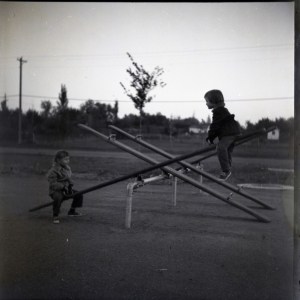
Preserving photographs digitally helps protect valuable memories from fading and damage over time. When choosing between scanning prints or film negatives, the quality of the final image often depends on the condition of the originals and the level of detail desired. In most cases, negative scanning produces sharper images and greater editing flexibility because negatives contain the original image data captured by the camera.
Why Negatives Often Produce Higher-Quality Digital Images
Film negatives are the source of a photograph. During the photo printing process, some image data may be lost through cropping, exposure adjustments, or paper limitations. Because of this, digitizing directly from negatives usually produces sharper images with better tonal range and greater detail.
Professional negative scanning captures more visual information than scanning a printed photograph, making it ideal for enlargements, restorations, and archival storage. Fine textures, subtle color variations, and shadow details are often more visible when scanned from the original film. Negatives also offer greater flexibility during digital editing, helping professionals refine color balance, contrast, and exposure with improved precision.
Another benefit is image completeness. Printed photographs sometimes crop the edges of the original frame, while negatives preserve the full composition captured by the camera. For families wanting the most authentic and detailed digital preservation possible, negatives are often the preferred choice.
Situations Where Print Scanning Makes More Sense
Although negatives commonly provide superior image quality, print scanning can still be an excellent solution in many situations. Over time, film negatives can become damaged due to improper storage conditions such as heat, humidity, or excess moisture. Fading colors, scratches, and warped film can impact the final digital image.
In some cases, printed photos may actually appear cleaner and more visually balanced than damaged negatives. Print scanning is also necessary when negatives have been lost, discarded, or were never saved. Many families only have physical photo albums or loose prints from older generations, making print scanning the most practical way to preserve those memories digitally.
Modern scanning technology combined with professional editing can still create beautiful digital copies from printed photographs. Careful restoration techniques can minimize imperfections, restore faded colors, and refine image clarity for a cleaner, more polished result.
Factors That Influence Final Scan Results
The quality of a scanned image depends on more than just whether you use prints or negatives. The handling, cleaning, scanning equipment and digital editing all contribute to the outcome. Higher scanning resolutions allow for larger enlargements and more detailed restorations. Proper cleaning before scanning also helps minimize dust, scratches, and surface imperfections.
Professional editing can further improve image quality by correcting brightness, color balance, surface blemishes, and contrast. Organized digital delivery with clearly labeled folders also makes large collections easier to access and preserve long-term.
Professional Digitization Services Designed for Lasting Preservation
At Memories Renewed, we understand the importance of preserving family photographs with accuracy and care. Our team carefully evaluates each collection to determine whether prints or negatives will provide the strongest digital results. Through high-resolution negative scanning, custom editing, and detailed quality review, we help families create lasting digital archives that preserve cherished memories for generations to come.
Contact us today to professionally preserve your photographs with detailed, high-quality digital scanning services.

